
A Halal Diet: Adhering to Halal Requirements
A Halal diet follows Islamic dietary guidelines for permitted ingredients, meat, and food preparation. Learn how Halal certification helps make it easier to choose foods that meet these requirements.
What Does Following a Halal Diet Entail?
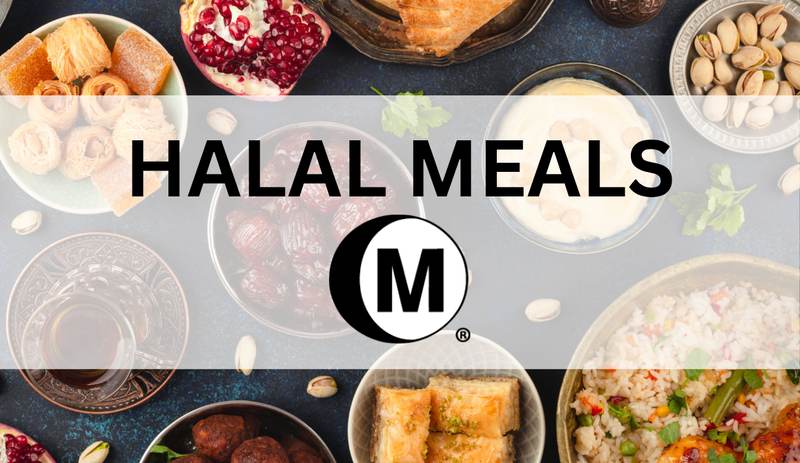
Halal means “permitted” under Islamic dietary law, while Haram refers to foods and ingredients that are prohibited. A Halal diet includes permitted foods while avoiding Haram items such as pork, alcohol and other prohibited ingredients. Fresh fruits, vegetables, grains and legumes are generally straightforward choices, while processed foods require more attention because flavors, colors, processing aids and other ingredients may come from non-Halal sources. For many consumers, Halal certification provides a clearer way to identify foods that have been evaluated according to established Halal standards.
What Makes Meat Dhabiha (Zhabiha) Halal?
Meat and poultry have additional requirements within a Halal diet. Dhabiha Halal, also spelled Zhabiha or Zabiha, refers to meat and poultry slaughtered according to Islamic requirements. The source of the meat (beef, chicken, lamb), slaughter practices, subsequent handling and production processing all matter, which is why a pork-free ingredient or meal does not automatically make it Halal. We buy and exclusively use proper Halal certified meat in all our meat meals. Trained, independent Islamic supervisors watch over production and processing controls to support our Halal certification of every product.
What Does Halal Certification Cover?
For processed foods, Halal certification requires oversight of much more than the primary ingredients. Certifiers approve ingredients and their sources, flavors, processing aids, and evaluate cleanliness, production equipment, handling practices and control measures used to prevent cross-contamination. This is especially important because an ingredient that appears acceptable on a label may contain sub-ingredients or be processed in a way that requires further review. J&M Food Products works with the Islamic Food and Nutrition Council of America (IFANCA) for Halal certification of its halal meals. Learn more in our article, What Are Halal Food Certification Standards?
How Do J&M® Meals Fit a Halal Diet?
J&M Food Products Company offers fully cooked, shelf stable Halal certified meals for times when preparing and cooking a home-cooked meal is not an option. The assortment includes J&M® Dhabiha (Zhabiha) Halal Certified meat meals, and My Own Meal® vegetarian meals that are independently certified both Kosher and Halal. With no refrigeration required before opening and the option to heat or eat directly from the pouch, the meals provide a convenient way to keep Halal certified food available for everyday meals, work, travel, institutional foodservice and emergency preparedness.
Learn more about all of our halal meals and find which varieties work best for you.
Do all Muslims follow a vegetarian diet?
No, not all Muslims are vegetarian. Dietary practices vary by individual, as with any faith community. Some Muslims choose vegetarian diets and others do not. J&M® offers both meat-based and vegetarian halal certified meals to fit either preference.
What does 'Dhabiha Halal' (Zhabiha) mean?
Dhabiha Halal (also spelled Zhabiha Halal) refers to meat, poultry, and meat by-products that are properly slaughtered by a trained Islamic slaughter man following specific religious procedures. It's the certification standard J&M® uses for all meat-based meals.
What does 'Halal' mean?
Halal means "proper and permitted" under Islamic dietary law. Halal-designated foods meet Islamic religious dietary requirements and are approved for consumption. All fruits, vegetables, and grains are halal by default; meat and processed foods require certification to confirm they meet halal standards.
What does 'Haram' mean in halal dietary law?
Haram means "prohibited" or "forbidden" for consumption under Islamic dietary law. This includes pork, alcohol, carrion, and any meat not slaughtered according to halal requirements. Modern food processing and shared production facilities mean even traditionally home-made foods like breads, yogurts, or cereals can become haram if they use non-halal ingredients or shared equipment.
Why do processed foods make it harder to determine if a product is Halal?
Processed foods often contain hidden non-halal ingredients in colors, flavors, processing aids, or sub-ingredients, and may be produced on shared equipment with non-halal products. The same facility can be approved for non-certified products but not for halal certified ones, so shared equipment requires special cleaning and inspection by an independent halal inspector before halal production.