
Halal chicken is chicken that meets applicable Islamic dietary requirements for slaughter, handling and processing and, when certified, has been evaluated according to the standards of a recognized Halal certifying organization.
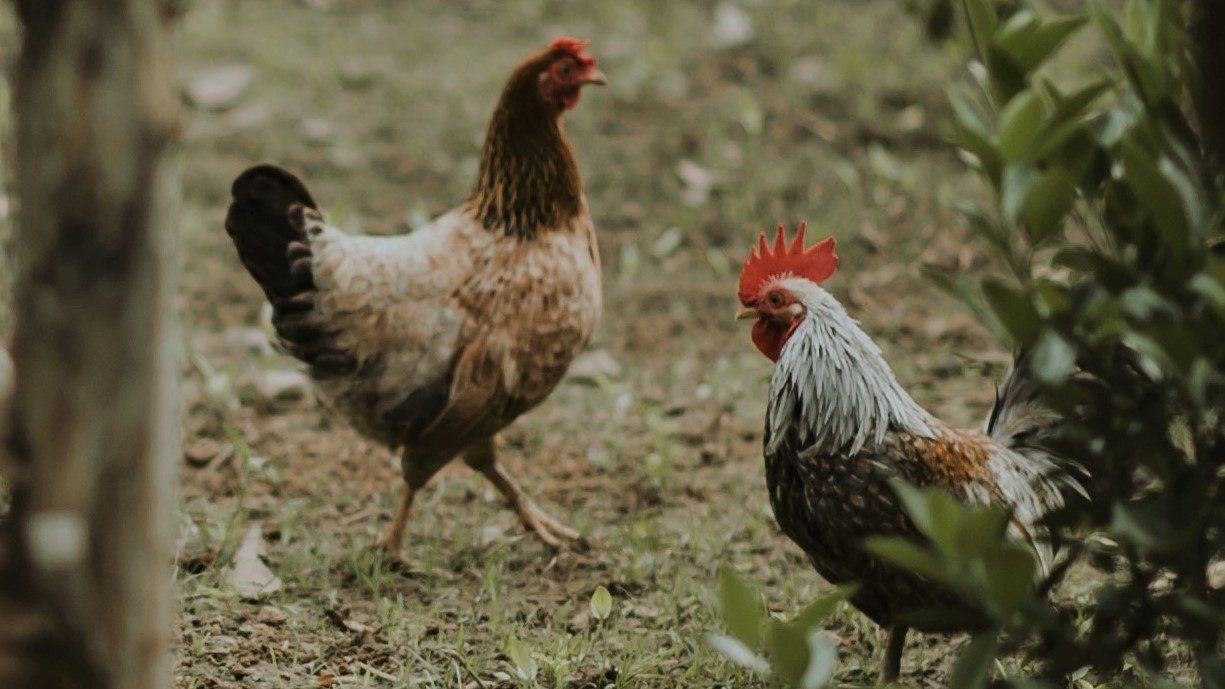
For consumers, that means there is more to Halal chicken than simply choosing chicken that contains no prohibited ingredients. How the bird is slaughtered, how the chicken is handled afterward and how it is incorporated into a prepared food can all be important parts of Halal certification.
At J&M Food Products, our Halal meat and poultry meals are certified by the Islamic Food and Nutrition Council of America (IFANCA). We introduced Chicken Jambalaya in our J&M shelf stable meal line.
What Makes Chicken Halal?
To qualify as Halal, chicken must come from an acceptable animal and meet the applicable Islamic requirements governing slaughter and subsequent handling. Dhabiha, also written as zabihah or zabiha, refers to more specific slaughter practices.
A central principle is that the bird must be alive at the time of slaughter. Halal slaughter also involves religious requirements surrounding the method of slaughter and the invocation of God’s name. The specific procedures accepted can vary among Halal certifying organizations.
Which halal organization provides the certification matters: rather than relying only on a general Halal claim, consumers can identify the organization responsible for certifying the product and its production requirements and assess the reliability of that agency.
Does Halal Chicken Have to Be Hand-Slaughtered?
To be halal, there is not one universal practice accepted by every Muslim consumer or every Halal standard.
Hand slaughter is important to many consumers, while other recognized Halal certifying agencies permit certain forms of mechanical poultry slaughter provided it also meets specific religious and production practices. IFANCA has also discussed the diversity of accepted slaughter practices and the importance of understanding the standard behind a Halal certification. Look beyond the word “Halal” and determine the practices employed by the certifying organization.
Why Does Halal Certification Matter in Chicken Prepared Meals?
Halal certification by a reputable certifying agency provides independent oversight of both proper halal chicken slaughter and assures the other ingredients and production process follow the agency’s standards.
For a Halal certified chicken meal, the certifying agency should address:
- Chicken Sourcing: Whether the poultry comes from an approved and trained Halal slaughterman.
- Slaughter Requirements: Confirming the qualifications and processes followed by a trained slaughterman.
- Ingredients: Evaluating vendors of ingredients to approve for use in a halal certified meal, including sauces, seasonings, processing aids, and other meal ingredients.
- Handling and Production: Confirms the manufacturer properly followed approved production procedures in the halal meal production.
- Inspection and Verification: Provide trained on-site supervisors or trained inspectors to audit procedures so the agency can properly certify the meal as halal.
Halal Chicken in Prepared and Shelf Stable Meals
Prepared meals have production complexities making proper halal certification critical. Halal integrity does not end with slaughter. While the chicken must be slaughtered appropriately and humanely, the other ingredients and production process must all meet the requirements of the certifying organization. Manufacturers must also consider the other ingredients, production equipment, handling practices and measures used to prevent unacceptable cross-contact.
To be shelf stable, meals are fully cooked in a large pressure cooker called a retort and filled into special packaging designed to protect its contents when properly stored.
J&M’s Certifying Agency
J&M Food Products has worked in the Halal food market for decades and maintains a longstanding relationship with IFANCA.
Certified by IFANCA, J&M® Chicken Jambalaya carefully combines halal chicken with brown rice, kidney beans, tomatoes, vegetables and seasonings in this fully cooked, shelf stable meal. It is part of J&M’s broader line of Halal certified meat and My Own Meal halal certified vegetarian meals. Our production controls and care mean consumers can confidently enjoy a convenient, ready-to-eat meal.
Current J&M product information: View all J&M meals
Learn more about J&M Halal certification: What is halal certification?
The Bottom Line
For prepared chicken meals, certification goes beyond the chicken itself. Ingredients, production practices and handling must also support the Halal integrity of the finished product. For J&M Food Products, that commitment is reflected in our IFANCA-certified Halal meal program including our current Chicken Jambalaya shelf stable meal.
Do all Muslims follow a vegetarian diet?
No, not all Muslims are vegetarian. Dietary practices vary by individual, as with any faith community. Some Muslims choose vegetarian diets and others do not. J&M® offers both meat-based and vegetarian halal certified meals to fit either preference.
Is all meat in J&M® halal meals hand-slaughtered according to Dhabiha Halal requirements?
Yes. All meat used in J&M® halal meals is hand-slaughtered by a trained Islamic slaughter man according to Dhabiha Halal requirements.
Is all poultry in J&M® halal meals hand-slaughtered by a trained Islamic slaughter man?
J&M® works with Islamic slaughter men and halal certifiers who require the poultry slaughter line to be slowed so a trained Islamic slaughter man can recite the blessing over each bird individually. Any bird missed in this process is removed from the line and sold as non-halal. Fully hand-slaughtered poultry supply chains are still developing across the U.S. halal industry, and J&M® is actively working with suppliers to expand this practice.
What does 'Dhabiha Halal' (Zhabiha) mean?
Dhabiha Halal (also spelled Zhabiha Halal) refers to meat, poultry, and meat by-products that are properly slaughtered by a trained Islamic slaughter man following specific religious procedures. It's the certification standard J&M® uses for all meat-based meals.
What does 'Halal' mean?
Halal means "proper and permitted" under Islamic dietary law. Halal-designated foods meet Islamic religious dietary requirements and are approved for consumption. All fruits, vegetables, and grains are halal by default; meat and processed foods require certification to confirm they meet halal standards.
What does 'Haram' mean in halal dietary law?
Haram means "prohibited" or "forbidden" for consumption under Islamic dietary law. This includes pork, alcohol, carrion, and any meat not slaughtered according to halal requirements. Modern food processing and shared production facilities mean even traditionally home-made foods like breads, yogurts, or cereals can become haram if they use non-halal ingredients or shared equipment.
What is the difference between Kosher and Halal certification?
Kosher and Halal are separate certifications with different requirements, so a Kosher-certified product is not automatically Halal, and vice versa. Key differences: alcohol in flavors or colors is not a Kosher issue but disqualifies a product from Halal certification; Kosher slaughter does not fulfill the Islamic requirement of reciting a blessing over each animal; and many Kosher-certified vegetarian items (cheese, marshmallows, candy, baked goods, yogurt) may contain enzyme or gelatin ingredients that aren't Halal-compliant. Dual Kosher and Halal certification, like J&M® and My Own Meals® products hold, requires meeting both standards independently.
Why do processed foods make it harder to determine if a product is Halal?
Processed foods often contain hidden non-halal ingredients in colors, flavors, processing aids, or sub-ingredients, and may be produced on shared equipment with non-halal products. The same facility can be approved for non-certified products but not for halal certified ones, so shared equipment requires special cleaning and inspection by an independent halal inspector before halal production.
Key factsWhat is halal chicken?
Chicken that meets applicable Islamic dietary requirements for slaughter, handling and processing. When certified, it has also been evaluated against the standards of a recognized Halal certifying organization.
Is all chicken halal?
No. Chicken must come from an acceptable animal and meet Islamic requirements for slaughter and handling, and the bird must be alive at the time of slaughter. A general Halal claim alone is not enough to rely on.
Does halal chicken have to be hand slaughtered?
There is no single practice accepted by every Muslim consumer or Halal standard. Hand slaughter matters to many consumers, while some certifying agencies permit certain forms of mechanical slaughter that meet their requirements.
What should halal certification cover in a chicken meal?
Chicken sourcing, slaughter requirements, ingredient approval (including sauces, seasonings and processing aids), handling and production, and inspection by trained supervisors or inspectors.
Who certifies J&M chicken meals?
The Islamic Food and Nutrition Council of America (IFANCA). J&M Food Products has worked in the Halal food market for decades and maintains a longstanding relationship with IFANCA.